
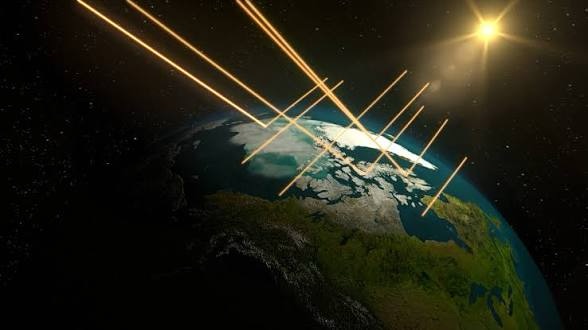
When we think about sunburn, most of us look up. We check the sky, feel the warmth of the sun on our skin, and maybe glance at the UV index before heading out. But there’s an often-overlooked factor that can dramatically increase your risk of burning—something happening not above you, but all around you. It’s called the albedo effect.
What is the Albedo Effect?

The albedo effect refers to how much sunlight a surface reflects rather than absorbs. Different surfaces reflect different amounts of ultraviolet (UV) radiation, meaning you can be exposed to sunlight not just directly from above, but also indirectly from below and around you.
Dark surfaces like soil or tarmac tend to absorb most sunlight, reflecting very little back. In contrast, lighter surfaces—such as sand, water, snow, and even concrete—can reflect significant amounts of UV radiation back onto your skin.
In simple terms: you can get sunburned from sunlight bouncing up at you, not just shining down on you.
Why This Matters for Sunburn
This reflected UV radiation can catch people out, particularly in environments where they already expect some sun exposure—but not quite as much as they’re actually getting.
For example:
On a beach, dry sand can reflect around 15–20% of UV radiation, while wet sand reflects even more. Water reflects up to 10%, but it also allows UV rays to penetrate below the surface—so swimmers aren’t protected. Snow is one of the most reflective surfaces, bouncing back up to 80–90% of UV radiation, which is why people can get severe sunburn in cold environments.
This means your skin can effectively be hit twice—once directly from the sun, and again from reflected UV rays. Areas you might not think to protect, such as under your chin, inside your nose, or the underside of your arms, can be particularly vulnerable.


The UK Factor: Yes, It Matters Here Too
Living in the UK, especially in coastal areas like Cornwall, it’s easy to underestimate the sun. But places like beaches, harbours, and even light-coloured pavements can increase UV exposure through reflection.
On a bright but breezy day, you may not feel hot—but the albedo effect can still be quietly increasing your UV dose.
Combine that with wind (which cools the skin and masks burning) and you have the perfect recipe for unexpected sun damage.
High-Risk Situations to Watch
The albedo effect becomes particularly important in:
- Beach holidays (sand and sea reflection)
- Water sports (reflection plus direct exposure)
- Skiing or winter hiking (extreme reflection from snow)
- Outdoor dining on pale stone terraces
- Boating
- Fishing
In these situations, standard sun protection often isn’t enough unless you’re aware of the added exposure.
How to Protect Yourself

Understanding the albedo effect helps you take smarter precautions:
Apply sunscreen thoroughly—including commonly missed areas like under the chin and around the nose.
Reapply regularly, especially after swimming or sweating.
Wear a wide-brimmed hat to reduce both direct and reflected exposure.
Use sunglasses to protect your eyes from UV reflected off surfaces like water and sand.
Seek shade—but remember that reflected UV can still reach you even there.
Be extra cautious near highly reflective surfaces, even when it doesn’t feel particularly hot.
Why This Matters More Than Ever
For those of us who have experienced skin cancer, including melanoma, understanding every aspect of UV exposure is vital. It’s not just about avoiding the midday sun—it’s about recognising all the ways UV radiation reaches your skin.
The albedo effect is a reminder that sun safety isn’t always obvious. Sometimes the biggest risks are the ones we don’t immediately see.
Final Thoughts
Sunburn doesn’t just come from above. The environment around you plays a powerful role in how much UV your skin absorbs. By understanding the albedo effect, you can better protect yourself and make more informed choices when spending time outdoors.
Because when it comes to skin cancer prevention, knowledge really is protection.

