

For many people living beyond cancer, the end of treatment is supposed to mark a return to “normal.” But sometimes, the body has other ideas.
One of the lesser-known long-term effects of immunotherapy is its impact on the body’s hormone system—particularly the production of cortisol. When this system is disrupted, it can lead to a condition known as Adrenal insufficiency.
And the reality is, it doesn’t always announce itself loudly.
The Fatigue That Doesn’t Make Sense

This isn’t your typical tiredness.
It’s not fixed by a good night’s sleep or a quiet day. It’s a deep, persistent exhaustion—the kind that makes even simple tasks feel like a climb. For people who were once active, fit, and constantly on the move, this change can feel especially frustrating. Having climbed Kilimanjaro twice I simply cannot come to terms with the idea of a stroll in the countryside just now. I just feel unsure of my fitness levels and stamina.
Many describe it as:
- “Running on empty”
- “Like my battery never charges”
- “Hitting a wall for no obvious reason”
More Than Just Feeling Tired
Cortisol is often called the “stress hormone,” but that barely scratches the surface of what it does. It helps regulate blood pressure, energy levels, and how the body responds to illness or physical stress.
When levels are too low, symptoms can creep in gradually:
- Lightheadedness, especially when standing
- Muscle weakness or loss of stamina
- Brain fog and difficulty concentrating
- Loss of appetite or unexplained weight loss
- A general sense of feeling “off”
For some, these symptoms are subtle. For others, they become life-altering.
When the Body Can’t Respond
The real danger comes when the body is under stress—something as simple as a cold, infection, or physical exertion.
Normally, the body produces extra cortisol to cope. But in people with adrenal insufficiency, that response isn’t there.
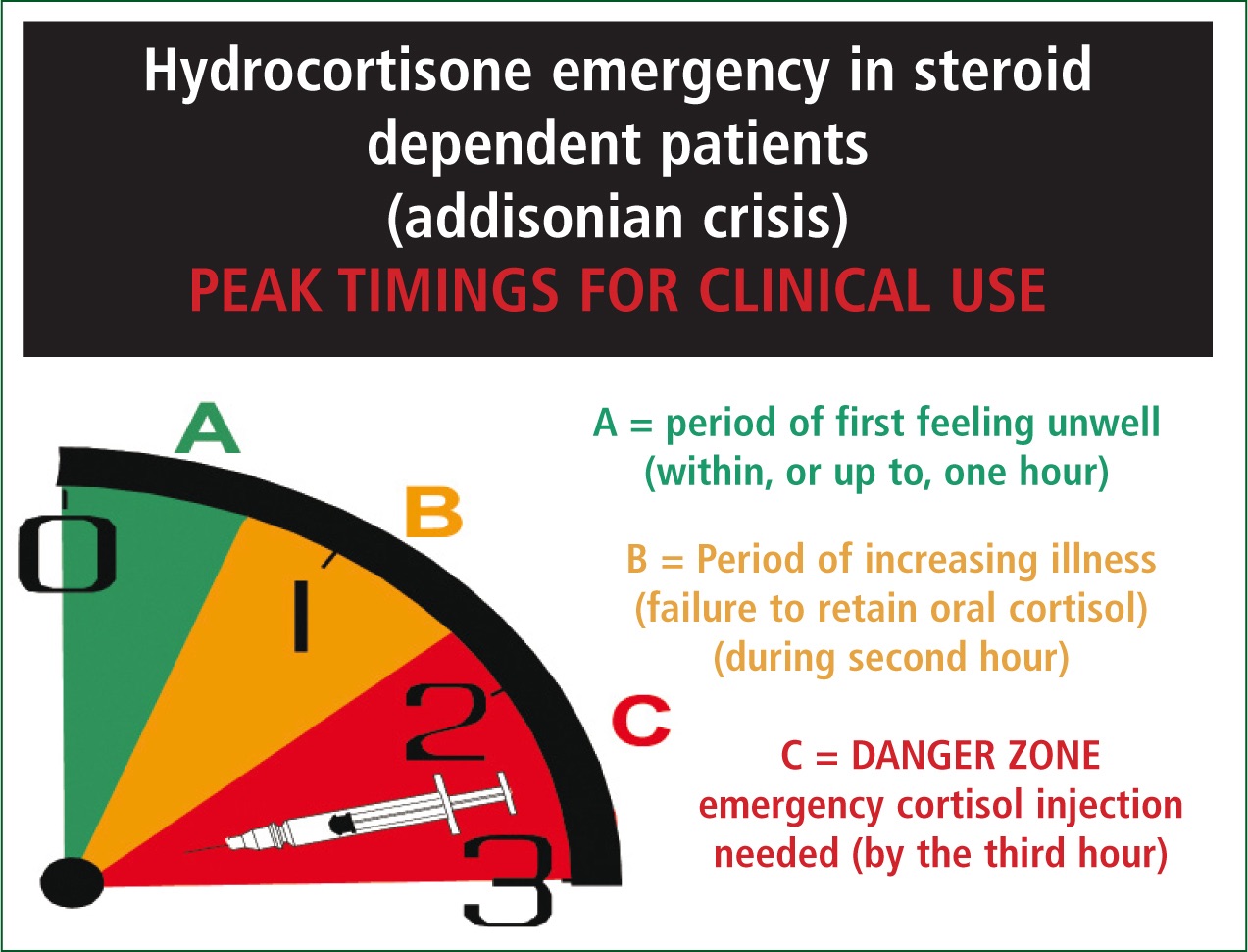
This can lead to an Adrenal crisis—a medical emergency that requires immediate treatment.

Symptoms can include:
- Severe weakness
- Dizziness or collapse
- Confusion
- Nausea and vomiting
It’s a stark reminder that this condition is not just about feeling tired—it’s about how the body copes under pressure.
The Immunotherapy Link
Treatments that harness the immune system, such as checkpoint inhibitors, have transformed outcomes for many people with melanoma. But they can also cause the immune system to mistakenly attack healthy glands, including those involved in hormone production.
This can affect the adrenal glands directly or disrupt signals from the brain (via the pituitary), leading to cortisol deficiency.
The result? Symptoms that can easily be mistaken for general post-treatment fatigue or simply “getting older.”
Living With It
The good news is that once diagnosed, adrenal insufficiency can be managed effectively with hormone replacement.
But awareness is everything.
Understanding your body, recognising changes, and knowing when something doesn’t feel right can make all the difference.
A Personal Reflection
For those of us who have been through cancer treatment, there’s often an expectation to bounce back—to be grateful, to be strong, to move forward.
But recovery isn’t always linear.
Sometimes it means adjusting to a “new normal.” Sometimes it means learning to listen to your body in a way you never had to before.
And sometimes, it means recognising that feeling constantly exhausted isn’t something you just have to accept—it might be your body asking for help.
If you’re experiencing ongoing fatigue, dizziness, or just don’t feel like yourself after treatment, it’s worth speaking to your medical team. A simple test could provide answers—and more importantly, a way forward.
You know your own body better than most – don’t forget…..
One Life ………Love it and Live it.
