
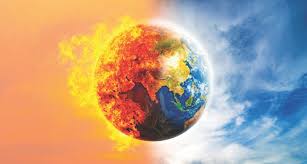
Global warming is increasing the risk of skin cancer in several ways, primarily due to changes in ultraviolet (UV) radiation exposure and environmental factors. Here’s how:
1. Increased UV Radiation Exposure
• Ozone Layer Depletion: Although the ozone layer has been slowly recovering due to international agreements like the Montreal Protocol, climate change and certain pollutants still contribute to its thinning in some regions. A thinner ozone layer allows more harmful UVB radiation to reach the Earth’s surface, increasing the risk of sunburn and DNA damage that can lead to skin cancer.
• Higher Temperatures and Outdoor Exposure: As global temperatures rise, people tend to spend more time outdoors, often in warmer climates with high UV exposure. This increases the cumulative UV dose people receive, raising the risk of melanoma and other skin cancers.
2. Changing Weather Patterns and Sunlight Intensity
• Shifting UV Index Levels: Global warming can alter cloud cover and atmospheric conditions, leading to periods of more intense sunlight exposure in some areas. Even in traditionally cooler climates, UV levels may increase, catching people off guard and leading to higher sunburn rates.
• Longer Summers and Heatwaves: Prolonged periods of hot, sunny weather mean extended UV exposure, particularly for those in outdoor occupations or recreation.
3. Skin Cancer in Unexpected Regions
• Rising UV in Northern & High-Altitude Regions: Places like Scandinavia, Canada, and the UK are experiencing higher UV radiation levels than before, leading to increased skin cancer rates in populations less accustomed to intense sun exposure.
• Higher Altitudes: Melting glaciers and reduced snow cover in mountain regions increase UV reflection, making areas like the Alps, Himalayas, and even Kilimanjaro riskier for sun damage.
4. Climate Change and Skin Cancer Prevention Challenges
• Heat Affecting Sunscreen Use: Excessive heat can degrade sunscreen effectiveness and discourage its use due to sweating and discomfort.
• Behavioral Changes: Warmer climates may lead to cultural shifts, such as wearing less clothing and spending more time in direct sunlight, further increasing exposure risks.
• Health System Strain: In developing nations, climate change may make it harder to access skin cancer treatment, sunscreen, and early detection programs.
Protecting Yourself in a Changing Climate
Always check the UV levels when out and about during the day.

Slip, Slop, Slap is a famous sun safety campaign from Australia that encourages people to protect themselves from UV radiation and reduce the risk of skin cancer. It was launched in 1981 by Cancer Council Australia and has since been expanded.

Original Campaign (1981)
• Slip on a shirt (to cover your skin)
• Slop on sunscreen (SPF 30+ or higher)
• Slap on a hat (to protect your head, face, and neck)
This simple message helped reduce skin cancer rates in Australia, a country with one of the highest incidences of melanoma due to intense UV exposure.
Expanded Version (2007 – Present)
To further improve sun protection, two more steps were added:

• Seek shade (stay under trees, umbrellas, or shelters)
• Slide on sunglasses (to protect the eyes from UV damage)
Now known as Slip, Slop, Slap, Seek, Slide, this five-step approach is a gold standard for sun safety worldwide.
But always remember to monitor your skin for changes and get regular dermatological checks. Your back also needs to be checked carefully on a regular basis so please get someone to do that and then make sure that you check theirs too!
