
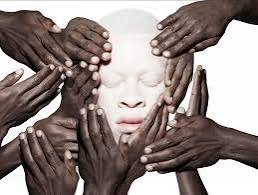
Upon my recent visit to Tanzania, I became aware of an issue that affects not only Tanzanians but also the whole globe. Albinism is a very very complex subject especially in Africa for reasons that are explained later. Living on the equator with a skin tone that does not lend itself to UV radiationhouse disastrous consequences. The following points highlight the various issues that are faced by albino especially in these areas.


Albinism in Tanzania is a complex issue influenced by cultural, social, and medical factors. Tanzania has one of the highest rates of albinism in the world, with approximately 1 in 1,400 people affected, compared to a global average of 1 in 20,000. People with albinism face significant challenges, including stigma, discrimination, and violence, as well as health complications related to their condition.
Key Challenges
1. Social Stigma and Myths:
• In some Tanzanian communities, people with albinism are subject to harmful myths and superstitions. For example, it is falsely believed that their body parts can bring wealth, power, or good fortune when used in rituals.
• These beliefs have led to attacks and killings of individuals with albinism for their body parts, often orchestrated by witch doctors.
2. Discrimination:
• People with albinism are often excluded from educational, employment, and social opportunities. They may face bullying or ostracization, further marginalizing them.

3. Health Issues:
• Albinism causes a lack of melanin, leading to extreme sensitivity to UV radiation. This makes individuals highly susceptible to skin cancer, which is a leading cause of early death for people with albinism in Tanzania.
• Many lack access to adequate sunscreen, protective clothing, or education about sun safety.
4. Safety Concerns:
• Attacks on people with albinism, especially children, have been widely reported. These incidents have drawn international attention and condemnation.
Efforts to Address the Issues
1. Legislation:
• The Tanzanian government has enacted laws to protect people with albinism and has prosecuted those involved in attacks.
• Efforts include banning witch doctors and increasing penalties for crimes against people with albinism.
2. Awareness Campaigns:
• Local and international organizations, such as Under The Same Sun and the Albinism Society of Tanzania, work to educate communities about albinism and dispel harmful myths.


• Media campaigns and educational programs aim to reduce stigma and promote inclusion.
3. Health Initiatives:
• NGOs and health organizations provide sunscreen, sunglasses, and protective clothing to people with albinism.
• Skin cancer screening and treatment programs are being expanded in rural areas.
4. Safe Havens:
• Children with albinism are often placed in special schools or shelters to protect them from attacks, though this solution has its own challenges, such as isolation from their families.
5. Global Advocacy:
• The International Albinism Awareness Day, observed on June 13, brings attention to the rights and needs of people with albinism worldwide.

• Tanzania’s challenges have inspired global movements for better protection and support.
Progress and Remaining Challenges
While awareness and protective measures have increased, significant challenges remain, particularly in rural areas where myths and discrimination persist. Education, community involvement, and continued advocacy are essential to improve the lives of people with albinism in Tanzania and other areas, particularly within Africa.
