
Here is a really good video that has been created by the BBC verify looking at various aspects of the conspiracy theory surrounding suncream and reaffirms the fact that sunscreen, alongside other sensible precautions such as seeking shade and wearing forms of protective clothing, does reduce the risk of skin cancer.

The debate around the toxicity of sunscreen is complex and often misunderstood. It stems from a mix of scientific studies, regulatory caution, misleading headlines, and growing concerns about both human health and environmental impacts.
Here’s a clear breakdown of the main concerns and where the debate stands:
🔬 1. Chemical Absorption and Potential Hormone Disruption

Concern:
Some ingredients in chemical sunscreens—like oxybenzone, avobenzone, octinoxate, and homosalate—can be absorbed into the bloodstream through the skin.
Debate:
Studies (including by the FDA) found that these ingredients can be absorbed at levels higher than previously thought. Some lab and animal studies suggest endocrine disruption (i.e., hormone interference), but there is no clear evidence this happens in humans at the doses used in sunscreen. The FDA has not banned these ingredients but has asked for more data before labeling them “GRASE” (Generally Recognized As Safe and Effective).
Bottom line: Absorption doesn’t equal harm, but more research is ongoing.
🌊 2. Environmental Impact (especially on coral reefs)

Concern:
Certain ingredients (oxybenzone and octinoxate in particular) may harm coral reefs and marine ecosystems.
Debate:
Lab studies show these chemicals can bleach coral, damage DNA, and disrupt marine life. As a result, places like Hawaii, Palau, and parts of the Caribbean have banned sunscreens containing these ingredients. Others argue these lab conditions don’t reflect real-world concentrations in the ocean, and sewage and warming seas are bigger threats.
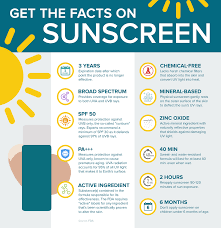
Bottom line: Environmental concerns are legitimate, and reef-safe (mineral) sunscreens are a responsible choice for water use.
🧴 3. Nanoparticles in Mineral Sunscreens

Concern:
Zinc oxide and titanium dioxide are often used in nanoparticle form to avoid the white cast on the skin.
Debate:
Some worry nanoparticles might penetrate the skin and cause cellular damage. However, most research shows they do not penetrate healthy, intact skin. They are generally regarded as safe and effective, especially for sensitive skin.
Bottom line: For most people, mineral sunscreens are considered very safe.
🚨 4. False Claims on Social Media

There’s a growing trend of fear-based messaging suggesting all sunscreens are “toxic” and that natural oils or homemade products are better. These claims are not supported by science and can lead to dangerous sun exposure, especially among young people.
✅ So what should you do?

Use sunscreen—especially broad-spectrum SPF 30 or higher. Choose mineral (zinc oxide/titanium dioxide) if concerned about chemical absorption or reefs. Be cautious of misinformation. Stick with evidence-based guidance from dermatologists, the FDA, Cancer Research UK, etc.
