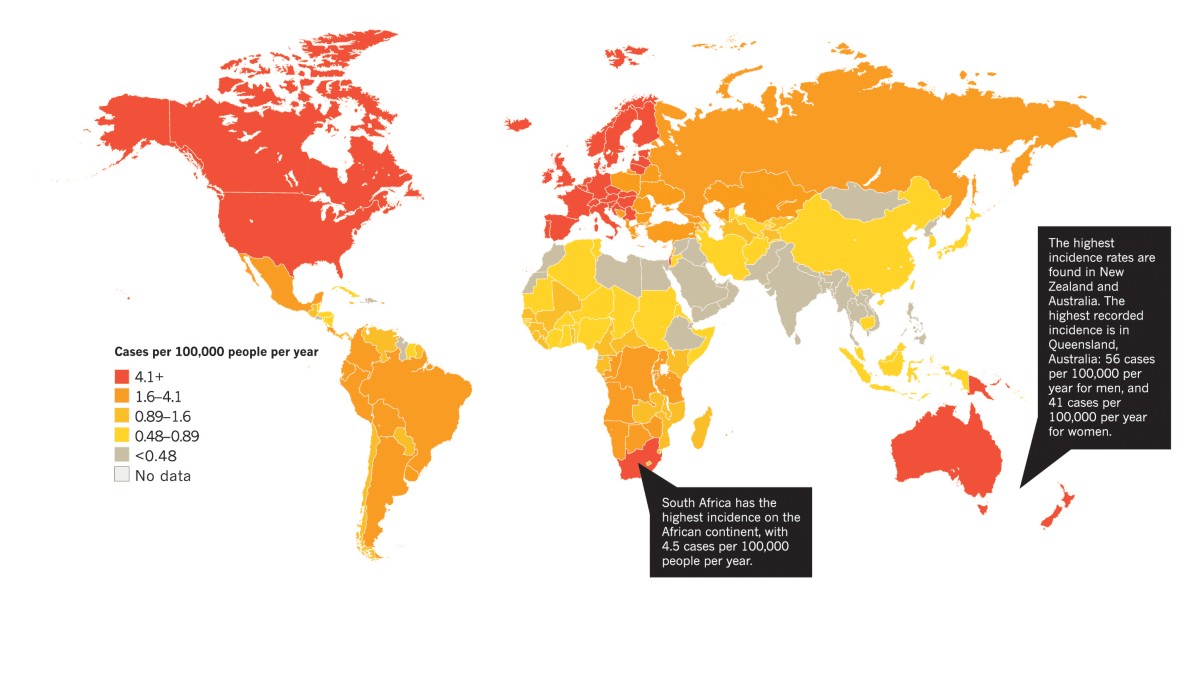
Main differences  in UV protection habits in different countries and cultures.

UV protection habits vary a lot around the world, shaped by climate, skin cancer awareness, beauty standards, work patterns, religion, and access to sunscreen. Some countries treat sun protection as a public health issue, while others still associate tanning with health or status.

Here are some of the main cultural and regional differences:

Australia and New Zealand

These countries are often considered global leaders in UV awareness because they have some of the world’s highest melanoma rates, partly due to strong UV levels and large fair-skinned populations.

Common habits

  • Daily sunscreen use is widely encouraged.
  • Children often wear broad-brimmed hats and UV-protective school uniforms.
  • Outdoor workers are more likely to use sun-safe clothing.
  • UV Index forecasts are routinely checked.

The famous “Slip, Slop, Slap” campaign became deeply embedded in culture:

  • Slip on a shirt
  • Slop on sunscreen
  • Slap on a hat

Modern campaigns added:

  • Seek shade
  • Slide on sunglasses

Cultural attitude

Tanning has become less fashionable than it was decades ago, especially among younger Australians aware of skin cancer risks.

United Kingdom and Northern Europe (Sweden & Norway)

In cooler climates, people often underestimate UV exposure because heat is confused with UV intensity.

Common habits

  • Sunscreen is often used mainly on holidays abroad.
  • Many people apply sunscreen only during sunny weather.
  • Hats and UPF clothing are less routinely used.
  • Intermittent intense exposure — especially Mediterranean holidays — is common.

Cultural attitude

A tan is still viewed positively by many people as a sign of:

  • health
  • leisure
  • travel
  • attractiveness

This contributes to “sun bingeing” during short summer periods or holidays.

Mediterranean Europe ( Spain, Italy & Greece)

People living in consistently sunny climates often develop more behavioural adaptation.

Common habits

  • Avoiding midday sun is more common.
  • Outdoor activity may shift to mornings and evenings.
  • Shade culture is stronger.
  • Lightweight long clothing is common in some regions.

Cultural attitude

People may spend long periods outdoors, but often more gradually and routinely rather than intense short exposures.

The traditional siesta pattern historically reduced midday exposure in some regions.

East Asia ( Japan, South Korea & China)

UV avoidance is often strongly linked to beauty culture rather than skin cancer prevention.

Common habits

  • Parasols and umbrellas are common in sunny weather.
  • Face masks, gloves, and arm sleeves may be worn outdoors.
  • Whitening and brightening skincare products are popular.
  • Sunscreen is often integrated into daily skincare routines.

Cultural attitude

Lighter skin has historically been associated with:

  • social status
  • elegance
  • youthfulness

As a result, many people avoid tanning intentionally.

Interestingly, these countries often have very sophisticated sunscreen markets and high daily SPF use.

Middle East and North Africa (United Arab Emirates, Saudi Arabia & Morocco)

Common habits

  • Loose, long clothing naturally provides UV protection.
  • Outdoor activity is often reduced during peak heat.
  • Shade and indoor living are important parts of daily life in very hot regions.

Cultural attitude

Traditional clothing in many areas unintentionally offers excellent UV protection, even when sun safety is not the primary reason for wearing it.

However, awareness of sunscreen use can vary widely.

United States

The U.S. has a mixed culture around UV exposure.

Common habits

  • Strong awareness campaigns exist.
  • Sunscreen use is common at beaches and outdoor events.
  • Athletes and outdoor enthusiasts increasingly use UPF clothing.

Cultural differences within the country

  • Coastal and southern states may have more tanning culture.
  • Outdoor recreation culture can increase exposure.
  • Some regions have very strong dermatology and skin-check awareness.

Indoor tanning became a major issue in the 1990s and 2000s, particularly among young women, although use has declined.

Indigenous and Equatorial Populations (Kenya & Brazil)

In many equatorial regions:

  • Shade-seeking behaviours are traditional.
  • Work schedules may adapt to extreme midday heat.
  • Clothing styles may balance cooling and sun coverage.

People with darker skin tones have more natural melanin protection against UV damage, but this can unfortunately lead to misconceptions that skin cancer cannot occur in darker skin.

When melanoma occurs in darker skin, diagnosis is sometimes delayed because awareness is lower.

One Important Global Trend

Across many countries, younger generations are becoming more aware that:

  • UV damage causes premature ageing,
  • skin cancer rates are rising,
  • tanning is not a sign of health.

Organisations such as  Melanoma UK and  SKCIN – The Karen Clifford Skin Cancer Charity have also played major roles in improving awareness in the UK.

UV protection habits vary a lot around the world, shaped by climate, skin cancer awareness, beauty standards, work patterns, religion, and access to sunscreen. Some countries treat sun protection as a public health issue, while others still associate tanning with health or status.

Here are some of the main cultural and regional differences:

Australia and New Zealand

These countries are often considered global leaders in UV awareness because they have some of the world’s highest melanoma rates, partly due to strong UV levels and large fair-skinned populations.

Common habits

  • Daily sunscreen use is widely encouraged.
  • Children often wear broad-brimmed hats and UV-protective school uniforms.
  • Outdoor workers are more likely to use sun-safe clothing.
  • UV Index forecasts are routinely checked.

The famous “Slip, Slop, Slap” campaign became deeply embedded in culture:

  • Slip on a shirt
  • Slop on sunscreen
  • Slap on a hat

Modern campaigns added:

  • Seek shade
  • Slide on sunglasses

Cultural attitude

Tanning has become less fashionable than it was decades ago, especially among younger Australians aware of skin cancer risks.

United Kingdom and Northern Europe (Sweden & Norway)

In cooler climates, people often underestimate UV exposure because heat is confused with UV intensity.

Common habits

  • Sunscreen is often used mainly on holidays abroad.
  • Many people apply sunscreen only during sunny weather.
  • Hats and UPF clothing are less routinely used.
  • Intermittent intense exposure — especially Mediterranean holidays — is common.

Cultural attitude

A tan is still viewed positively by many people as a sign of:

  • health
  • leisure
  • travel
  • attractiveness

This contributes to “sun bingeing” during short summer periods or holidays.

Mediterranean Europe ( Spain, Italy & Greece)

People living in consistently sunny climates often develop more behavioural adaptation.

Common habits

  • Avoiding midday sun is more common.
  • Outdoor activity may shift to mornings and evenings.
  • Shade culture is stronger.
  • Lightweight long clothing is common in some regions.

Cultural attitude

People may spend long periods outdoors, but often more gradually and routinely rather than intense short exposures.

The traditional siesta pattern historically reduced midday exposure in some regions.

East Asia ( Japan, South Korea & China)

UV avoidance is often strongly linked to beauty culture rather than skin cancer prevention.

Common habits

  • Parasols and umbrellas are common in sunny weather.
  • Face masks, gloves, and arm sleeves may be worn outdoors.
  • Whitening and brightening skincare products are popular.
  • Sunscreen is often integrated into daily skincare routines.

Cultural attitude

Lighter skin has historically been associated with:

  • social status
  • elegance
  • youthfulness

As a result, many people avoid tanning intentionally.

Interestingly, these countries often have very sophisticated sunscreen markets and high daily SPF use.

Middle East and North Africa (United Arab Emirates, Saudi Arabia & Morocco)

Common habits

  • Loose, long clothing naturally provides UV protection.
  • Outdoor activity is often reduced during peak heat.
  • Shade and indoor living are important parts of daily life in very hot regions.

Cultural attitude

Traditional clothing in many areas unintentionally offers excellent UV protection, even when sun safety is not the primary reason for wearing it.

However, awareness of sunscreen use can vary widely.

United States

The U.S. has a mixed culture around UV exposure.

Common habits

  • Strong awareness campaigns exist.
  • Sunscreen use is common at beaches and outdoor events.
  • Athletes and outdoor enthusiasts increasingly use UPF clothing.

Cultural differences within the country

  • Coastal and southern states may have more tanning culture.
  • Outdoor recreation culture can increase exposure.
  • Some regions have very strong dermatology and skin-check awareness.

Indoor tanning became a major issue in the 1990s and 2000s, particularly among young women, although use has declined.

Indigenous and Equatorial Populations (Kenya & Brazil)

In many equatorial regions:

  • Shade-seeking behaviours are traditional.
  • Work schedules may adapt to extreme midday heat.
  • Clothing styles may balance cooling and sun coverage.

People with darker skin tones have more natural melanin protection against UV damage, but this can unfortunately lead to misconceptions that skin cancer cannot occur in darker skin.

When melanoma occurs in darker skin, diagnosis is sometimes delayed because awareness is lower.

One Important Global Trend

Across many countries, younger generations are becoming more aware that:

  • UV damage causes premature ageing,
  • skin cancer rates are rising,
  • tanning is not a sign of health.

Organisations such as  Melanoma UK and  SKCIN – The Karen Clifford Skin Cancer Charity have also played major roles in improving awareness in the UK.


2 responses to “Main differences  in UV protection habits in different countries and cultures.”

  1. almostllama92dbfe202c avatar
    almostllama92dbfe202c

    Very good feature Dave. Any recommendation in best UV protective leisure wear. What should we look out for on the labels eg is spf 50 good enough or is there better?

    1. Muttleymelanoma avatar

      SPF 50 is best especially for fair skin and also need to check the UV rating ( ideally 4 or 5 star UVA).

      Other things to consider are:-
      Expiry Date
      Water resistant (if swimming,etc)
      Skin types (sensitive skin, etc)

Comments and questions are always welcome. Please feel free to add yours.

Discover more from Muttley Melanoma

Subscribe now to keep reading and get access to the full archive.

Continue reading