TIL Therapy for Melanoma: Turning Your Own Immune Cells Into a Powerful Cancer Treatment

I dedicate this post to an enormously courageous and lovely young lady, Esther Allen from England.

Esther’s conventional treatments for treating her melanoma are no longer working and she sought out pioneering treatment from Sheba Hospital, Israel where more advanced specialist treatment that is not currently available in UK hospitals. She has travelled to war torn Tel Aviv, Israel for Tumor-infiltrating lymphocytes (TILS) treatment having raised the money through a whole host of events and sponsorship.

Esther with Husband, Chris

In recent years, melanoma treatment has been transformed by the rise of immunotherapy. Drugs such as checkpoint inhibitors have helped many patients live longer and better lives. But researchers are continuing to push the boundaries of what the immune system can do. One of the most exciting developments is Tumour-Infiltrating Lymphocyte therapy, commonly known as TIL therapy. This personalised treatment takes immune cells directly from a patient’s tumour, strengthens them in the laboratory, and then returns them to the body to fight cancer.

What Are Tumour-Infiltrating Lymphocytes?

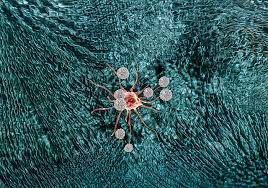
Our immune system constantly patrols the body looking for abnormal cells. Sometimes, immune cells called lymphocytes are able to penetrate a tumour. These are known as tumour-infiltrating lymphocytes (TILs). The presence of TILs inside a melanoma tumour is important because it shows that the immune system has already recognised the cancer and is trying to attack it. However, the tumour environment often suppresses these immune cells, preventing them from destroying the cancer completely. TIL therapy aims to supercharge these naturally occurring cancer-fighting cells.

How TIL Therapy Works

TIL therapy is a complex but fascinating process that involves several steps.

1. Tumour Removal Doctors surgically remove a small sample of the melanoma tumour from the patient.

2. Immune Cell Isolation In a laboratory, scientists extract the tumour-infiltrating lymphocytes from that tumour tissue.

3. Cell Expansion These TILs are then grown and multiplied in the lab using immune-stimulating substances. Over a few weeks, billions of cancer-fighting immune cells can be produced.

4. Preparing the Body Before the TILs are returned, the patient receives lymphodepleting chemotherapy. This temporarily reduces other immune cells in the body, creating space for the new TILs to work more effectively.

5. Infusion of TILs The expanded immune cells are infused back into the patient through an intravenous drip.

6. Immune Boost Patients often receive interleukin-2 (IL-2) afterwards to help the newly infused immune cells survive and attack the cancer. The goal is simple but powerful: flood the body with highly active immune cells that specifically recognise the melanoma tumour.

When Is TIL Therapy Used?

TIL therapy is usually considered for patients with advanced melanoma that has progressed despite standard immunotherapy treatments, such as checkpoint inhibitors. In recent clinical trials, it has shown promising results for patients whose cancer has not responded to other treatments. A form of TIL therapy called lifileucel has recently received regulatory approval in some countries for patients with previously treated metastatic melanoma. This represents a major milestone in the development of personalised cell-based cancer therapies.

How Effective Is TIL Therapy?

Clinical studies have shown encouraging outcomes with some patients with advanced melanoma experiencing:-

•Significant tumour shrinkage

•Durable responses lasting years in some cases

•Responses even after other immunotherapies failed

While not every patient benefits, TIL therapy has provided hope for individuals with otherwise limited treatment options. Researchers are also investigating how TIL therapy might be combined with other treatments such as checkpoint inhibitors to improve results further.

Possible Side Effects

Because TIL therapy involves chemotherapy, immune stimulation, and cell infusion, it can be physically demanding.

Possible side effects include:

•Fatigue

•Fever and chills

•Low blood counts

•Risk of infection

•Low blood pressure during IL-2 treatment

These effects are carefully monitored in specialised treatment centres experienced with cell-based therapies. A New Frontier in Personalised Cancer Treatment TIL therapy represents one of the most personalised cancer treatments ever developed. Instead of using a drug made in a factory, the treatment is created from the patient’s own immune cells. Scientists are essentially training and expanding the body’s natural cancer fighters and sending them back into battle in far greater numbers.

Hope for the Future

For melanoma patients around the world, the rise of therapies like TIL treatment demonstrates how far cancer medicine has progressed. From checkpoint inhibitors to oncolytic viruses and now personalised cell therapy, researchers are finding new ways to harness the immune system’s incredible power. Each breakthrough brings us closer to a future where more people can live longer, healthier lives after a melanoma diagnosis.

💙 Final Thought

Melanoma treatment has evolved dramatically in just a decade. TIL therapy shows that the immune system still holds many secrets — and when we learn how to guide it, it can become one of the most powerful tools in the fight against cancer.

I dedicate this post to an enormously courageous and lovely young lady, Esther Allen from England.

Esther’s conventional treatments for treating her melanoma are no longer working and she sought out pioneering treatment from Sheba Hospital, Israel where more advanced specialist treatment that is not currently available in UK hospitals. She has travelled to war torn Tel Aviv, Israel for Tumor-infiltrating lymphocytes (TILS) treatment having raised the money through a whole host of events and sponsorship.

Esther with Husband, Chris

In recent years, melanoma treatment has been transformed by the rise of immunotherapy. Drugs such as checkpoint inhibitors have helped many patients live longer and better lives. But researchers are continuing to push the boundaries of what the immune system can do. One of the most exciting developments is Tumour-Infiltrating Lymphocyte therapy, commonly known as TIL therapy. This personalised treatment takes immune cells directly from a patient’s tumour, strengthens them in the laboratory, and then returns them to the body to fight cancer.

What Are Tumour-Infiltrating Lymphocytes?

Our immune system constantly patrols the body looking for abnormal cells. Sometimes, immune cells called lymphocytes are able to penetrate a tumour. These are known as tumour-infiltrating lymphocytes (TILs). The presence of TILs inside a melanoma tumour is important because it shows that the immune system has already recognised the cancer and is trying to attack it. However, the tumour environment often suppresses these immune cells, preventing them from destroying the cancer completely. TIL therapy aims to supercharge these naturally occurring cancer-fighting cells.

How TIL Therapy Works

TIL therapy is a complex but fascinating process that involves several steps.

1. Tumour Removal Doctors surgically remove a small sample of the melanoma tumour from the patient.

2. Immune Cell Isolation In a laboratory, scientists extract the tumour-infiltrating lymphocytes from that tumour tissue.

3. Cell Expansion These TILs are then grown and multiplied in the lab using immune-stimulating substances. Over a few weeks, billions of cancer-fighting immune cells can be produced.

4. Preparing the Body Before the TILs are returned, the patient receives lymphodepleting chemotherapy. This temporarily reduces other immune cells in the body, creating space for the new TILs to work more effectively.

5. Infusion of TILs The expanded immune cells are infused back into the patient through an intravenous drip.

6. Immune Boost Patients often receive interleukin-2 (IL-2) afterwards to help the newly infused immune cells survive and attack the cancer. The goal is simple but powerful: flood the body with highly active immune cells that specifically recognise the melanoma tumour.

When Is TIL Therapy Used?

TIL therapy is usually considered for patients with advanced melanoma that has progressed despite standard immunotherapy treatments, such as checkpoint inhibitors. In recent clinical trials, it has shown promising results for patients whose cancer has not responded to other treatments. A form of TIL therapy called lifileucel has recently received regulatory approval in some countries for patients with previously treated metastatic melanoma. This represents a major milestone in the development of personalised cell-based cancer therapies.

How Effective Is TIL Therapy?

Clinical studies have shown encouraging outcomes with some patients with advanced melanoma experiencing:-

•Significant tumour shrinkage

•Durable responses lasting years in some cases

•Responses even after other immunotherapies failed

While not every patient benefits, TIL therapy has provided hope for individuals with otherwise limited treatment options. Researchers are also investigating how TIL therapy might be combined with other treatments such as checkpoint inhibitors to improve results further.

Possible Side Effects

Because TIL therapy involves chemotherapy, immune stimulation, and cell infusion, it can be physically demanding.

Possible side effects include:

•Fatigue

•Fever and chills

•Low blood counts

•Risk of infection

•Low blood pressure during IL-2 treatment

These effects are carefully monitored in specialised treatment centres experienced with cell-based therapies. A New Frontier in Personalised Cancer Treatment TIL therapy represents one of the most personalised cancer treatments ever developed. Instead of using a drug made in a factory, the treatment is created from the patient’s own immune cells. Scientists are essentially training and expanding the body’s natural cancer fighters and sending them back into battle in far greater numbers.

Hope for the Future

For melanoma patients around the world, the rise of therapies like TIL treatment demonstrates how far cancer medicine has progressed. From checkpoint inhibitors to oncolytic viruses and now personalised cell therapy, researchers are finding new ways to harness the immune system’s incredible power. Each breakthrough brings us closer to a future where more people can live longer, healthier lives after a melanoma diagnosis.

💙 Final Thought

Melanoma treatment has evolved dramatically in just a decade. TIL therapy shows that the immune system still holds many secrets — and when we learn how to guide it, it can become one of the most powerful tools in the fight against cancer.


Comments and questions are always welcome. Please feel free to add yours.

Discover more from Muttley Melanoma

Subscribe now to keep reading and get access to the full archive.

Continue reading