
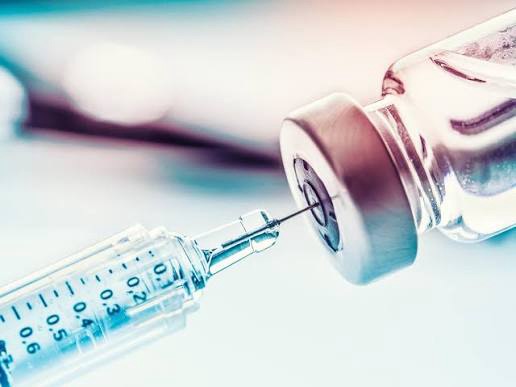
Subcutaneous (under-the-skin) single-agent nivolumab is a newer way of giving the same immunotherapy you may previously have received by intravenous (IV) drip. It delivers the drug into the fatty tissue (usually the abdomen or thigh) rather than through a cannula into a vein.

Here are the key benefits patients and clinicians are seeing:
✅ 1. Much Faster Treatment Time
Injection takes ~3–5 minutes compared with 30–60 minutes (or longer) for an IV infusion. Less time sitting in a chemo chair and more time getting back to normal life. Particularly helpful for people on long-term maintenance therapy.
Why it matters:
For patients like myself continuing single-agent therapy, treatment becomes more like a routine appointment than a hospital procedure.
✅ 2. No Need for Cannulas or Difficult Vein Access
Avoids repeated needle placement into veins. Reduces: Failed cannulas Bruising and vein damage Infection risk from IV access
This is a major advantage for those of us who’ve had years of treatment.
✅ 3. Same Effectiveness as IV Delivery
Clinical data show the subcutaneous formulation is designed to:
Deliver equivalent drug exposure
Produce the same immune activation
Maintain the same cancer-control outcomes
In other words, it is not a weaker treatment — just a different delivery method.
✅ 4. Lower Demand on the Body During Administration
Because it is not given as a fluid infusion:
No large volume going into the bloodstream Less likelihood of infusion-related reactions (such as chills or flushing) More physiologic, slower absorption through lymphatic channels — which actually mirrors how immune signalling naturally occurs.
✅ 5. More Convenient Hospital Visits
Subcutaneous dosing can:
Shorten clinic stays dramatically Reduce pressure on infusion units Potentially allow future community or at-home administration models (being explored in some systems)
For long-term responders, this shifts treatment toward a chronic-disease management style rather than acute cancer care.
✅ 6. Psychological Benefit — It Feels Less Like “Chemo”
Many of us report that an injection:
Feels less medicalised
Reduces treatment anxiety
Reinforces the sense of being in a maintenance phase rather than crisis treatment
That mental shift is powerful after years of scans, drips, and uncertainty.
⚠️ What Doesn’t Change
It’s important to know:
The drug itself is identical — so immune-related side effects (colitis, thyroid changes, skin effects, etc.) remain possible. Monitoring and scans continue exactly the same. You are still receiving full-strength immunotherapy.
🩺 Typical Side Effects Unique to the Injection (Usually Mild)
Because it’s under the skin, some people notice:
Temporary swelling or redness at the injection site Mild soreness or itching Small lump that fades over 24–48 hrs
These are generally far easier than IV-related issues.
🌱 Why This Matters in the Modern Melanoma Era
Subcutaneous nivolumab reflects how melanoma care is evolving:
More patients are living long-term with controlled disease. Treatment is being redesigned for sustainability and quality of life, not just survival. The goal is to make immunotherapy something people can live alongside — not revolve life around.
