

I dedicate this page to an enormously courageous and lovely young lady, Esther Allen from England.
Esther’s conventional treatments for treating her melanoma are no longer working and she has had to seek more advanced specialist treatment that is no longer available in UK hospitals. She has travelled to war torn Tel Aviv, Israel for Tumor-infiltrating lymphocytes (TILS) treatment.
What is TILS
TILS is now an option for treating advanced melanoma. It’s an intensive, “one-and-done” treatment which has been approved by various countries but not widely available in the UK. The results of a recent landmark multinational study showed that TIL therapy holds promise for treating refractory metastatic melanoma and that it is the most reliable option after traditional standard-of-care therapies have proven ineffective.
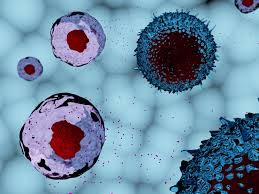
TIL therapy capitalises on the power of a patient’s own immune system to fight cancer. T lymphocytes are immune cells that can recognise, target and destroy cancerous cells. T lymphocytes are considered to be TIL when they migrate to the tumor, but unfortunately, TIL are typically not able to mediate complete tumor destruction on their own.
The treatment involves surgically removing a portion of a melanoma tumor that contains the TILs that have invaded the tumor. The patient-specific TILs are then cultured and expanded (multiplied) in a laboratory using interleukin-2, a protein that promotes the growth and activity of other immune cells, such as TILs. Unlike CAR-T cell therapy, TIL therapy does not involve the genetic modification of immune cells; instead, it relies on the natural process of tumor rejection and amplifies it with a massive expansion in the laboratory. This process can take some time.

Once a sufficient quantity of TILs is available, the patient receives chemotherapy to temporarily deplete their immune system and “clear space” for the new army of TILs, which are infused into the bloodstream. Once there, the TILs circulate throughout the body to actively seek out and eliminate cancer cells while leaving healthy cells unaffected.
Side Effects of TILS
Patients would typically need to stay in the hospital for at least two weeks to receive TIL therapy. One reason is because the immune system is weaker from the chemotherapy they had before the TIL infusion. This makes it more likely for patients to get infections.
The TIL therapy also has other side effects, and some of them are like the ones people have after CAR T therapy. Others are caused by the drugs used to stimulate the immune system.
Side effects of TIL therapy can include:
- High fevers and chills
- Nausea and loss of appetite
- Headaches, dizziness, and other issues that affect the nervous system
- Feeling very tired and weak
- Low blood counts
- A buildup of fluids in your body, which can put stress on the heart and lungs
What is the Success Rate of TIL Therapy
TIL treatments are new and still largely experimental, but results are promising. A 2023 study showed a 49% overall response rate with 20% of patients experiencing complete remission.
You must be logged in to post a comment.