
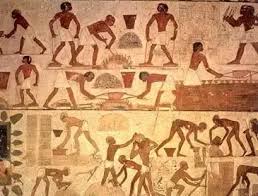
Ancient history of Melanoma

The word “melanoma” is taken from the greek words “melas” (dark) and “oma” (tumour) as it was Hippocrates that was the first to record details of it.
Initial practice and findings
The first operation was carried out in 1787 by John Hunter who carried out a successful excision. At that time it was not known what the cancerous fungus was. It was only in 1968, when the preserved tumour was examined that it was confirmed that it was indeed metastatic melanoma.
In 1804, Rene Laenec was the first person to identify the type of tumour as different from others and in 1820 William Norris was the first to observe the heterogenic nature of some tumours (ie another species). Melanoma became a recognised term in 1838 when it was coined by Sir Robert Carswell
Progression of knowledge
In 1844, Samuel Cooper was the first to formally acknowledge that advanced melanoma was untreatable.Even today, with continued research and development, this statement remains true but less so than before.

It wasn’t until 1892 that it was suggested by Herbert Snow that the removal of surrounding lymph glands, as well as the tumour should be removed wherever possible to try to reduce the chance of the melanoma spreading.
A study in 1905 by William Handley which considered the spread of secondary melanoma on a woman’s leg again suggested that surrounding subcutaneous tissue and lymph nodes should be removed. This recommendation held good for a further 50 years.
Etiology and genetic involvement
The link between UV radiation and melanoma was made by Henry Lancaster in 1956. This was supported by research carried out that demonstrated the link between characteristics of the skin and melanoma development. This included:-
- Skin color
- Texture
- Hair color
- Eye color
- Reaction to the sun

The risk of melanoma was markedly increased in individuals with fair skin who were previously exposed to high levels of UV radiation, such as those residing in Australia and New Zealand.
Following the introduction of this classification of the various stages of disease progression, several medications were approved for use in the treatment of melanoma.
Current knowledge and future challenges
At this point in time, we have a relatively good understanding of melanoma, in that we know it is caused by exposure to UV radiation and results from the malignancy of melanocytes. It is understood that some individuals are at a higher risk of melanoma due to their specific skin characteristics.
Diagnosis and Staging
Although less common compared to squamous cell skin cancers and basal cell cancers, malignant melanomas can be very dangerous; when not diagnosed early, the disease can spread across the body.
It is essential to obtain an early diagnosis for malignant melanoma as the disease can spread very quickly within the body if the tumour has penetrated the dermis and epidermis.
The Clark scale is used to stage melanoma. It is based upon the depth and thickness of the cancer cells that have spread into the layers of skin.
There are five levels in the Clark scale:
- Level 1 is when the melanoma cells are seen in the epidermis
- Level 2 is when the melanoma cells are present in the papillary dermis
- When the melanoma cells extend throughout the papillary dermis and into the reticular dermis, i.e., the next layer, it is termed Level 3
- When the melanoma cells have spread deep into the dermis, it is defined as Level 4.
- Level 5 is where the melanoma cells have penetrated into the subcutaneous fat layer.

The Breslow scale depends upon the measured thickness (in millimetres) of the extent of melanoma cells within the skin surface. It is used in the TNM (tumour, node, and metastasis) staging of melanoma.
You must be logged in to post a comment.