
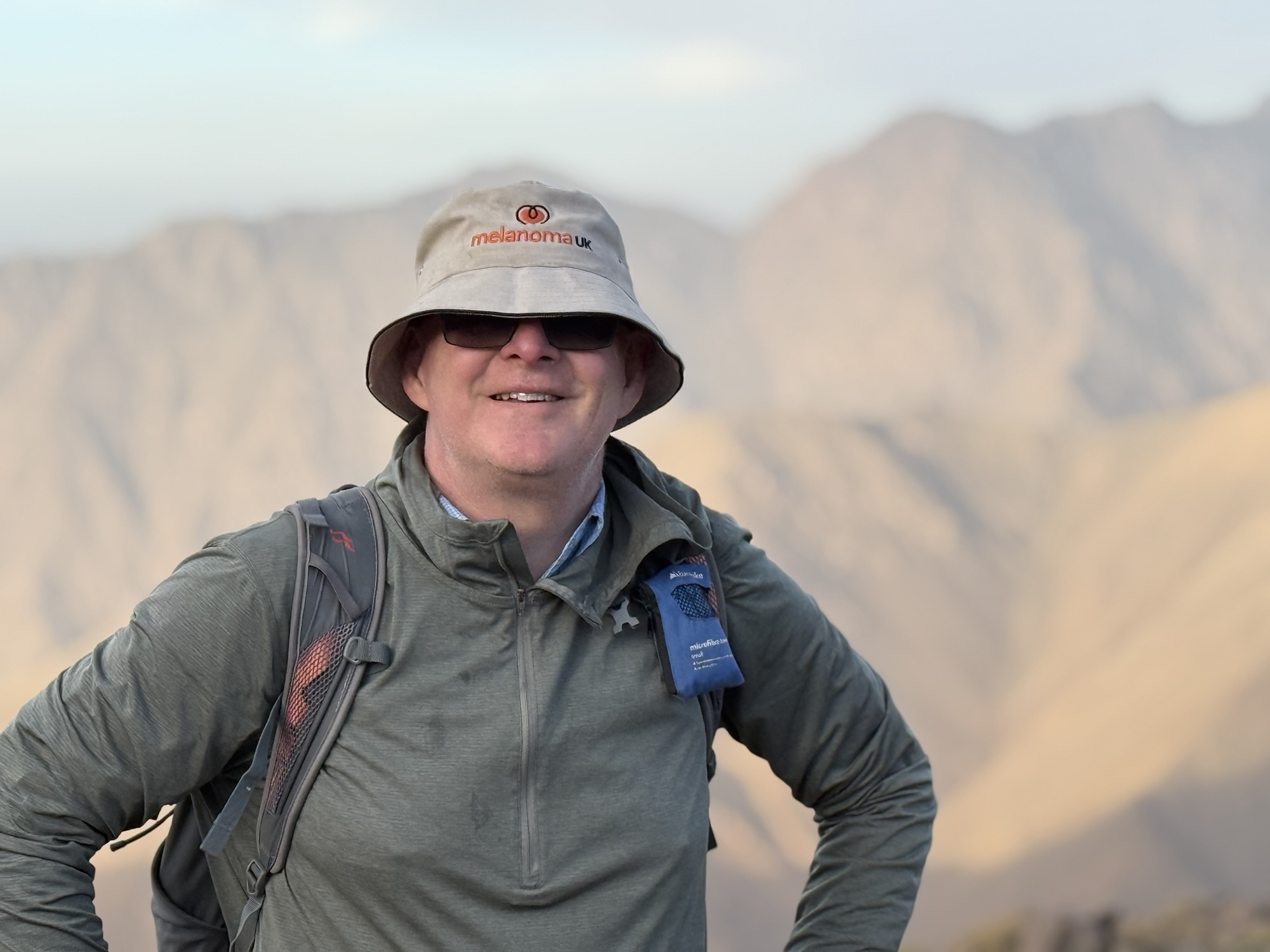

The Kingdom of Morocco welcomes travellers with its vibrant culture, rich cuisine, and striking landscapes — from bustling souks and desert dunes to the mighty High Atlas Mountains. For trekkers, the High Atlas offers a very different kind of adventure compared to the volcanic slopes of Kilimanjaro.
This journey through Morocco takes you off the beaten track, winding through the heart of Berber country on a classic circuit to the summit of Mount Toubkal, North Africa’s highest peak. Along the way, you’ll pass through secluded valleys, charming villages, and hidden lakes such as the turquoise jewel of Ifni. The trail leads across rocky passes, into the remote Tizgui Valley, and finally to the Neltner Refuge before the summit push. From Toubkal’s peak, the panorama is unforgettable — the jagged ridges of the Atlas stretching into the horizon, fading southward into the vast Sahara Desert.

Where Kilimanjaro rises alone, a solitary giant piercing the East African sky, Toubkal is part of a rugged range.
My two climbs on Kilimanjaro both resulted in a successful summit of Uhuru Peak, standing an incredibly majestic and formidable 5,895m (19,671 ft) above sea level. the hardest ascent is always the last day of ascent towards Stella Point – straight up the side of the volcano neck.
The Atlas feels intimate and ancient, with its earthy tones, dry ridgelines, and timeless Berber communities, in contrast to Kilimanjaro’s lush rainforest approaches and otherworldly alpine desert. On Kilimanjaro, you climb higher into thinner air, battling altitude with every step; on Toubkal, the altitude is more forgiving, yet the heat of summer and the remoteness of the valleys bring their own challenge.


This is not just a climb — it’s a cultural and natural immersion. Nights are often spent beneath vast starry skies, days on long trails that test your endurance, and mornings waking beside mountain lakes. The trek is demanding but not extreme, with only one night spent above 3000m, making it a perfect adventure for those seeking a taste of high-altitude trekking without the intensity of Kilimanjaro’s summit push – however some of the valley climbs on the route have you climbing over 1,000m very quickly. It’s essential that you are prepared both mentally and physically – it’s hard!!
Here are the profiles of the two climbs of Kilimanjaro that I have already successfully negotiated and the proposed ascent route of Toubkal through the peaks and passes of the High Atlas.


Both mountains reward the effort with breathtaking views, but in different voices: Kilimanjaro with its icy crown above Africa’s plains, and Toubkal with its wild Atlas ridges fading into desert sands. Each has its own magic, and for those who have stood on one summit, the other offers a whole new way of seeing the world.
In my next series of blogs I will expand on each of the days itineraries as the route unfolded. It was a magical time with a group of strangers – one thing in common. The prospect of standing high aloft the Atlas Mountains. The Trek was organised by KE Adventures in Keswick, England.
My goal was, and still is, to raise monies for much needed early diagnosis equipment through my GoFund Page.
It’s understood that up to 85% of new incidence cases can be treated successfully if caught early enough.
This isn’t for me (my race has been run and the outcomes are as they are). This is for others that will undoubtedly follow unless we increase education and awareness for all the “at risk” groups.
Don’t forget to sign up for the updates
