The sun’s rays are carcinogenic – here’s how to protect yourself properly, according to experts.
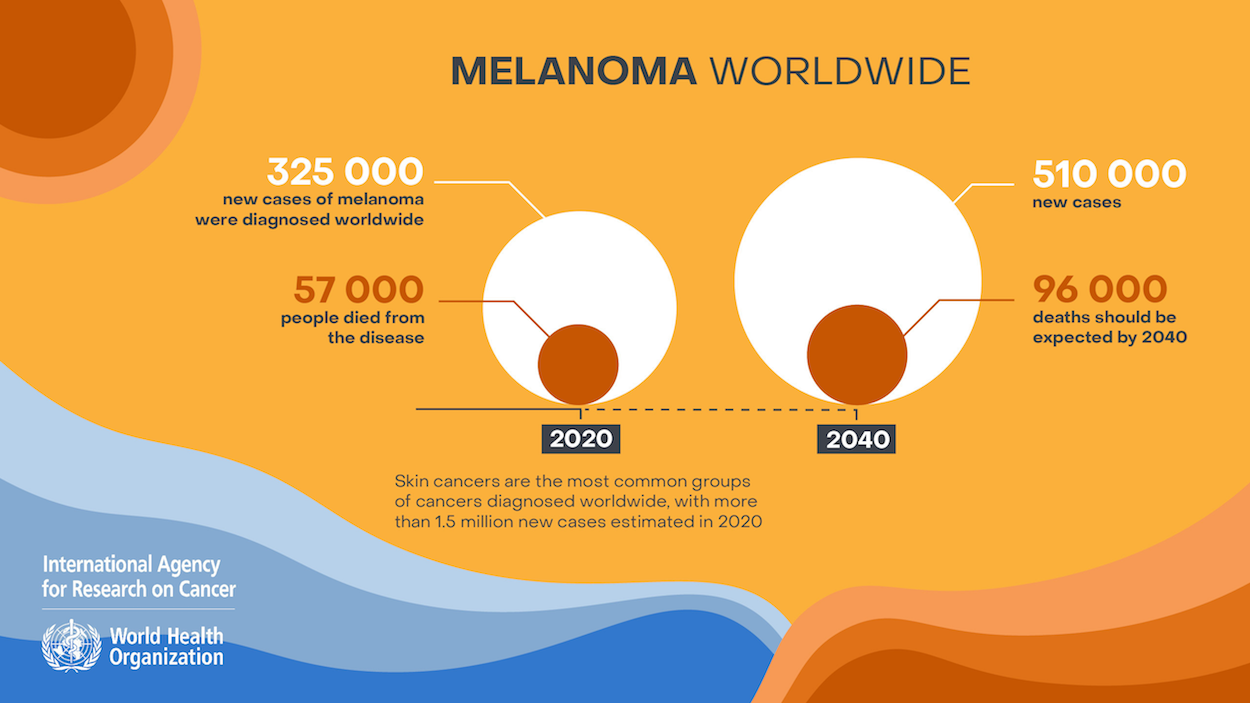
Wearing sunscreen is widely acknowledged as being one of the best things we can do for our health. More than 80% of Melanoma skin cancer cases are caused by sunburn – and this number is rising year on year. rising year on year. There are an estimated 1.5 million new cases of skin cancer globally each year, with this figure expected to rise by 50% by 2040.
Despite these stark facts and repeated public health warnings about the risks of sun exposure, there’s a lot of confusion around how, and when, to apply sunscreen.
Why do we need to protect our skin from the sun?
When we’re exposed to the sun, UV radiation damages the DNA of the skin, proteins and other molecules found within our skin cells, says Richard Gallo, professor of medicine at University of California.

In moderate amounts, exposure to UV radiation from sunlight helps our skin cells to generate vitamin D. But as we expose our skin to more sunlight, it tries to protect itself by tanning through the production of melanin, Gallo says. “If the exposure is too high, the skin can’t protect itself and you get a burn,” he says.
This can lead to DNA damage in our cells, which can cause premature ageing, and can increase the risk of developing skin cancer, Gallo says.
Exposure to UV radiation is the main cause of the most common forms of skin cancer.
“Low SPF sunscreen slightly reduces radiation exposure from the sun,” Gallo says, but “in most cases, this allows all of the harmful effects to still occur. Radiation from the Sun is a potential carcinogen, at even low doses.”

While suncream can help to prevent skin damage, it’s also important to cover up with clothing and seek out shade.
What is SPF, and how much do I need?
SPF stands for “sun protection factor”, and the number attached to it on bottles of sunscreen indicates how much UV radiation from the Sun is required before it becomes ineffective. The higher the SPF, therefore, the more protected your skin is. However, the SPF only indicates the level of protection from UVB rays – the amount of UVA protection is specified via a separate rating (more on this later).
The amount of UV radiation we’re exposed to changes throughout the day – as the Sun’s rays get stronger, we’re exposed to increasing solar energy. The Sun’s rays are at their strongest between 10am and 4pm.
What’s the best way to apply sunscreen?
One 2018 study found that after sunscreen is applied, some UV protection kicks in immediately – though it takes around 10 minutes for this to become stable. However, experts usually recommend that people apply sunscreen 20-30 minutes before sun exposure to allow time for it to absorb into the skin. It might be wise to apply it twice, since studies show that most people tend to underapply sunscreen.

Scientists also advise reapplying sunscreen after sweating, being immersed in water, or if our skin has rubbed up against clothing or sand.
Sunscreen becomes less effective over time, experts say, but generally, it should work for up to three years from the date you purchase it
Most formulations available in the UK, for example, are reliable when worn on their own, Blackburn says, but he advises against mixing different brands of sunscreen, or mixing a sunscreen with other skin products, in case some of their ingredients are incompatible with each other.
Can I get sunburned through glass?
Glass filters the most dangerous radiation from the sun (UVB rays), but it still lets in radiation that causes a low level of damage. Repeated exposures to the sun, even through a glass window, will damage the skin. Exposure to UVA, which is thought to be responsible for 90% of visible changes to the skin as we age, can still occur through glass.

The best suncreams provide broad-spectrum protection against both UVA and UVB
Does sunscreen expire?
Sunscreen becomes less effective over time, experts say, but generally, it should work for up to three years from the date you purchase it. Most sunscreen bottles in the UK will have a jar symbol indicating how many months the product will last for once opened. The Food and Drug Administration (FDA) in the US requires all sunscreen products to have a shelf-life after purchase of at least three years unless it carries an expiration date and provided it hasn’t been stored in direct sunlight or excessive heat.
It’s also recommended that you check the sunscreen for any obvious changes in consistency and colour if you’re not sure. Keeping the bottle out of direct sunlight or in hot environments, like the car helps to avoid speeding up how quickly the ingredients break down.
Does sunscreen block vitamin D production?
Vitamin D plays an important role in the absorption of calcium to help maintain strong bones, and maintain our immune systems. There have been some concerns that wearing sunscreen can block vitamin D absorption, but a review of studies concluded that, on balance, the risk of sunscreen affecting how much vitamin D we absorb is low.
Does sunscreen contain toxins?
There have been some concerns that sunscreens contain ingredients that can build up in our bodies and cause harm. The evidence suggests that the ingredients used in UK, EU or US-approved suncreams are safe and effective, and any potential harm is outweighed by their benefits in protecting people from UV radiation.
The biggest concern with sunscreens is if you are sensitive or allergic to any of a specific sunscreen’s ingredients as this can cause a rash.
The myths about toxins in sunscreens are a sensational exaggeration and do not compare with the toxic effects of solar radiation itself,Sunscreens are safe when used as directed, and much better than getting skin cancer.
How much sunscreen should toddlers and young children use?
Young children’s skin is extra sensitive to UV radiation, so it’s particularly important that they’re protected from the sun. Babies under the age of 6 months shouldn’t wear sunscreen. They shouldn’t be directly exposed to the sun, but protected with loose-fitting clothing and shade instead.

It’s recommended that you apply two teaspoons of sunscreen to two-year-olds, three teaspoons for five-year olds, four teaspoons for nine-year-olds and five teaspoons for 13-year-olds. For older children, scientists recommend reapplying sunscreen every two hours.
What type of sunscreen should I use?
It’s important to use a high-SPF sunscreen that says “broad spectrum” on the label, as this means it protects against both UVA and UVB rays.

Another common method of assessing the level of UVA protection provided by suncream is the UVA star rating, indicated by a circular symbol containing the word “UVA”, followed by up to five stars (the highest level of protection). The UVA star rating indicates the level of protection against UVA, in proportion to the amount of UVB protection – so SPF50 suncream with a UVA rating of five has more protection than SPF30 suncream with the same UVA rating. This method is common across the UK and Europe.
What’s the difference between sunscreen and sunblock?
Sunscreen acts as a chemical barrier between you and the sun. It absorbs UV rays from the Sun, rather than block them, before they get to our skin. Sunblock, on the other hand, creates a physical barrier from the sun that UV rays can’t pass through.